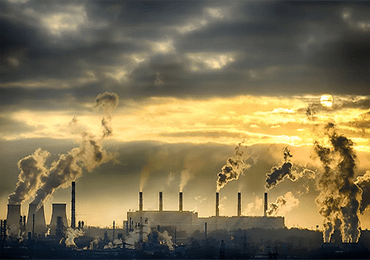
Recently, Corbion showcased its Luminy® PLA portfolio. Luminy® PLA is made from annually renewable biomass that grows by absorbing carbon dioxide from the atmosphere. As a viable solution for a range of packaging applications, PLA helps reduce greenhouse gases.
Luminy® PLA is a bio-based material ...

Headquartered in Atlanta, Georgia, WinCup, Inc. is a leading manufacturer of traditional and environmentally friendly disposable cups, bowls, containers, lids and straws. The company's eight manufacturing sites in the United States are dedicated to providing high quality products and excellent custo...
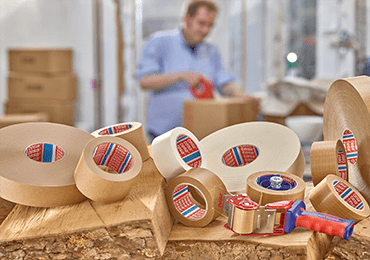
TESA, an international manufacturer of innovative tapes and self-adhesive product solutions, is launching another innovative packaging tape. The new tesa® 60408 contains a strong paper backing and a natural rubber adhesive with 100% bio-based resin. With a total bio-based carbon content of 92%, the ...
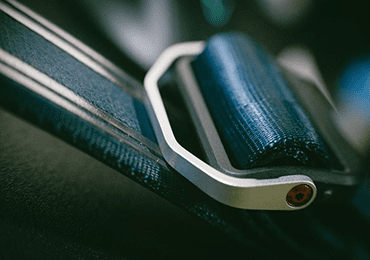
Recently, sportswear giant Lululemon announced a partnership with sustainable materials company Genomatica to launch shirts made from plant-based nylon. Instead of using petroleum from coal, natural gas or crude oil in the production process, Genomatica uses biotechnology and fermentation to convert...
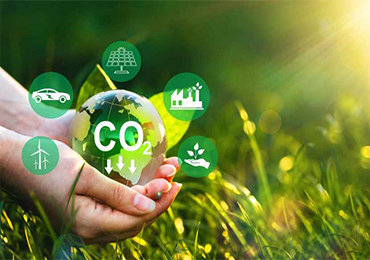
Most of the polypropylene feedstock in the market is fossil energy, which is a potential health hazard during production and use, and the volatile price of crude oil in the market, so the demand for bio-based polypropylene is gradually increasing.
Bio-based PP is made from bio-based propylene deriv...
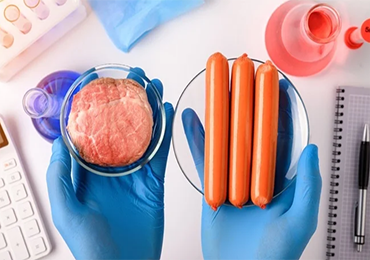
As a core disruptive technology leading the industrialization of biotechnology, synthetic biology has become one of the strategic emerging industries and has shown great potential for application in chemical, agricultural, medical and food fields.
Replacing chicken houses, barns, and grasslands wit...

Lummus Technology is a global provider of process technology and value-driven energy solutions, while RWDC Industries (Athens, Georgia, USA) is a biotechnology company developing biopolymer material solutions. Recently, the two companies signed a memorandum of understanding to collaborate on promoti...

As regulatory pressure increases, multinational chemical companies are paying more attention to the carbon footprint of their raw materials.
According to the most widely used international greenhouse gas accounting system, the carbon emissions of enterprises are divided into three ranges:
Scope I:...

On April 4, Frito-Lay and Quaker, two PepsiCo brands, announced the opening of an industry-leading greenhouse learning center at their R&D headquarters. The Learning Center will be used to test, measure and analyze compostable packaging on-site to accelerate innovation. The facility is an import...
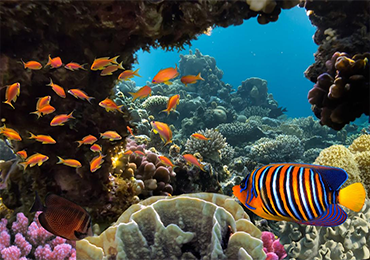
Recently, scientists have developed a shoe product that can biodegrade in seawater to the point where it can be fed to marine life. The new material will replace plastic products and degrade enough to be consumed by marine life, thus solving the pollution problem plaguing the world's oceans, accordi...