
The European Bioplastics website has a paraphrase of the outline set out in the European Green New Deal: Europe needs to become a more sustainable, resilient and competitive economy. The bioeconomy has great potential to contribute to the transformation of the Green New Deal, as it covers all sector...
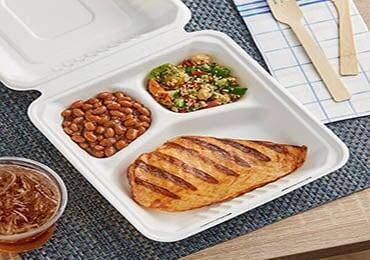
The European Commission is working on a new soil health law, and the European Bioplastics Association lobbied for compostable plastics to be taken into account.
The European Commission (EC) is currently working on a new EU soil health law that aims to clarify the conditions for soil health and soil...
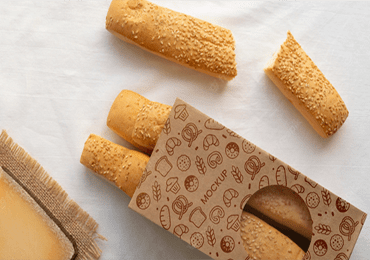
This paper briefly introduces two types of bio-based plastics: non-biodegradable bio-based plastics such as bio-based PE, bio-based PP, bio-based PET and degradable bio-based plastics such as starch-based degradable plastics, PLA, PHA, summarizes their cases in the packaging industries of cosmetics,...
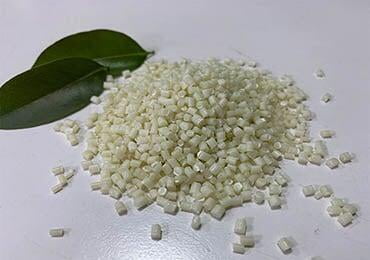
Recently, a new PBAT material has been successfully developed by the team of Professors Lee Juen Yeol and Lee Pyung Chun of Asia University in Korea, which can be degraded at 25 degrees Celsius.
The research team used phosphate metal salts as catalysts to develop a new biodegradable polymer, PB...
European industry organizations have serious doubts about the latest draft revision of the EU Packaging and Packaging Waste Directive (PPWD). Several associations representing the paper and beverage industries have criticized the European Commission's recently proposed plan. The Italian Assobip...
PLA is a bio-based biodegradable plastic. Poly Lactic Acid (PLA) or Polylactide is a polymeric polyester type material obtained by polymerizing lactic acid or lactic acid dimer propylene glycol as monomer, which is a synthetic polymer material with bio-based and degradable characteristics. Sinc...

Sony has launched the headset product packaging will become paper packaging, the current Sony MDR- EX15AP in-ear headphones packaging has been redesigned, it is understood that the amount of plastic in the packaging from 96% to less than 5%.
Due to the stable structure of plastic, it will not s...
Accelerating progress toward key plastic pollution control goals
LONDON, Nov. 2, 2022 - Companies may not meet their commitment to use "100 percent reusable, recyclable or compostable" plastic packaging by 2025, according to the newly released Global Commitment to a New Plastics Economy Pro...
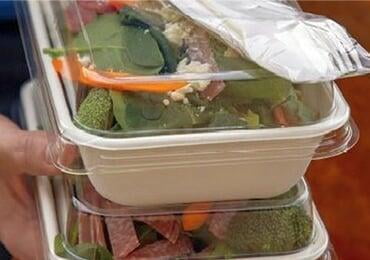
The Korean Ministry of Food and Drug Safety (MFDS) is conducting a public consultation on a proposal to allow the use of polybutylene adipate (PBAT) in food utensils, containers and packaging. If approved, PBAT will be added to the "list of permitted materials" for these products. Currentl...

Along with the rapid development of the economy, environmental awareness, China's ban on plastic in January 2021 to fully implement, as well as the European Commission guidelines for disposable plastic products, the upcoming revision of the Packaging and Packaging Waste Directive will be more favora...